

Knowledge about Wheel Hub Bolts and Nuts
Knowledge about Wheel Hub Bolts and Nuts
Wheel hub bolts and nuts are crucial components in the automotive industry, playing a vital role in securing the wheels to the vehicle's hub assembly. They ensure that the wheels remain firmly attached during operation, which is essential for vehicle safety, stability, and performance.
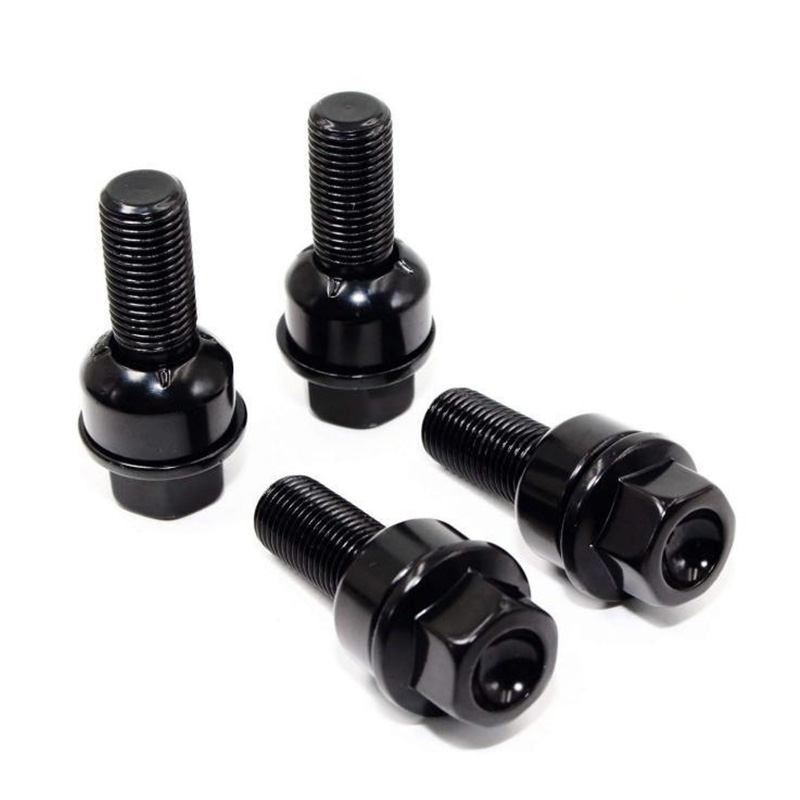
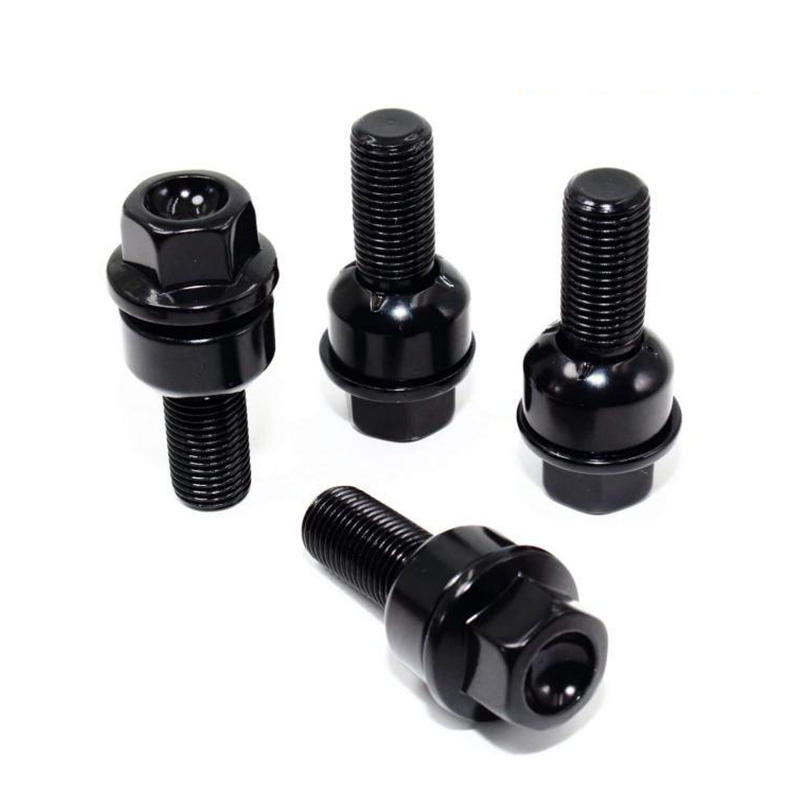
Definition and Function
Types
Bolts
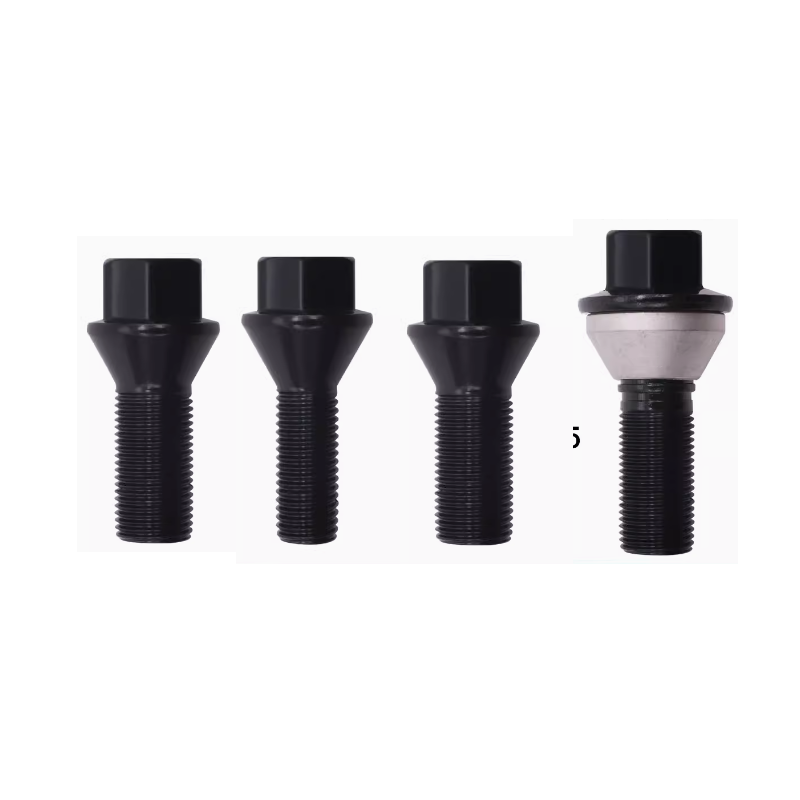
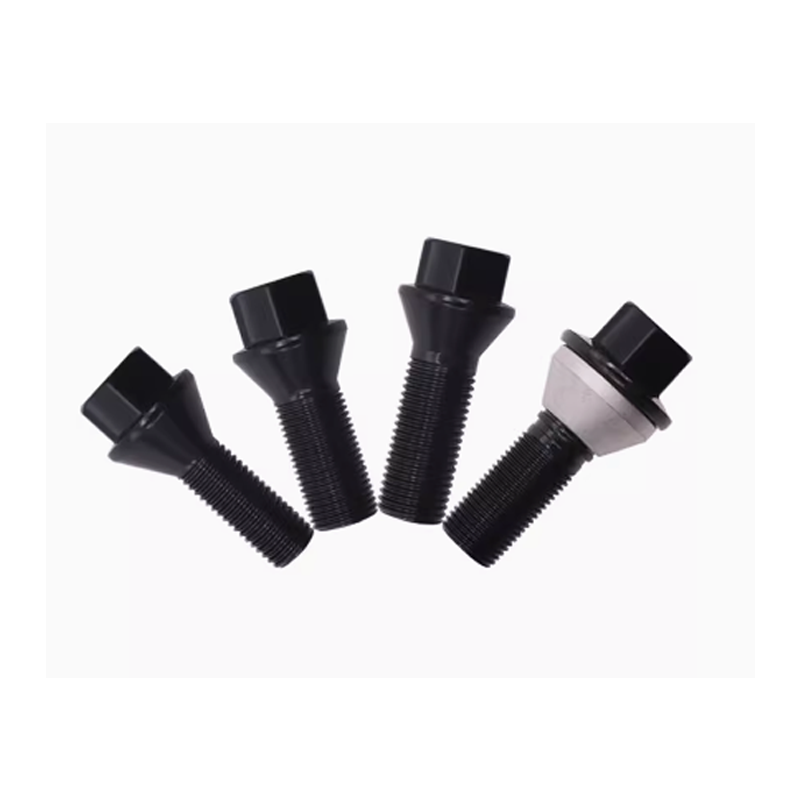
Conical Seat Bolts: These bolts feature a conical-shaped seat that mates with a corresponding conical hole in the wheel. The conical design helps center the wheel accurately on the hub, providing a secure fit and enhancing the wheel's load - bearing capacity.
Radius Seat Bolts: With a rounded, radius - shaped seat, they are designed to work with wheels having matching radius - seat holes. They are often used in applications where a more precise centering and load distribution are required.
Ball Seat Bolts: The ball - shaped seat of these bolts allows for a certain degree of misalignment compensation. This makes them suitable for wheels that may have slight manufacturing tolerances or for vehicles that experience significant vibrations during operation.
Nuts
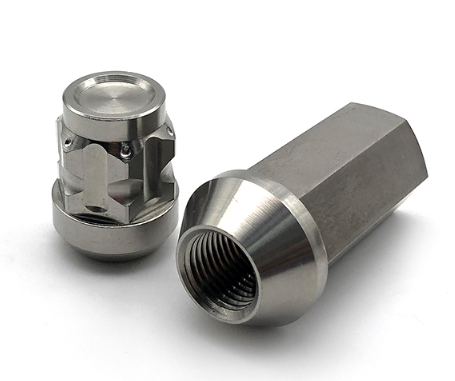
Standard Nuts: The most basic type, they are typically hexagonal in shape and have a simple thread design. They are commonly used in many automotive applications but may require additional locking mechanisms to prevent loosening.
Lock Nuts: These nuts are designed to resist loosening due to vibrations and dynamic loads. They come in various forms, such as nylon - insert lock nuts, where a nylon ring inside the nut creates friction to prevent it from backing off, or self - locking nuts with a deformed thread section that provides resistance against rotation.
Security Nuts: As the name implies, security nuts are used to prevent unauthorized wheel removal. They usually require a special key or socket to be installed or removed, adding an extra layer of protection against wheel theft.
Importance
Safety: Loose or defective wheel hub bolts and nuts can lead to wheel detachment while driving, which is extremely dangerous and can cause serious accidents. Regular inspection and proper tightening of these components are necessary to ensure the safety of the vehicle occupants and other road users.
Performance: Properly installed bolts and nuts contribute to the vehicle's overall performance. They help maintain the correct wheel alignment, reduce vibrations, and improve handling and braking efficiency. A well - tightened wheel assembly also ensures even tire wear, extending the lifespan of the tires.
Installation and Maintenance
Installation
Cleaning: Before installation, both the bolts/nuts and the mating surfaces on the wheel and hub should be thoroughly cleaned to remove dirt, rust, and debris. This ensures a proper fit and prevents any interference that could affect the tightening torque.
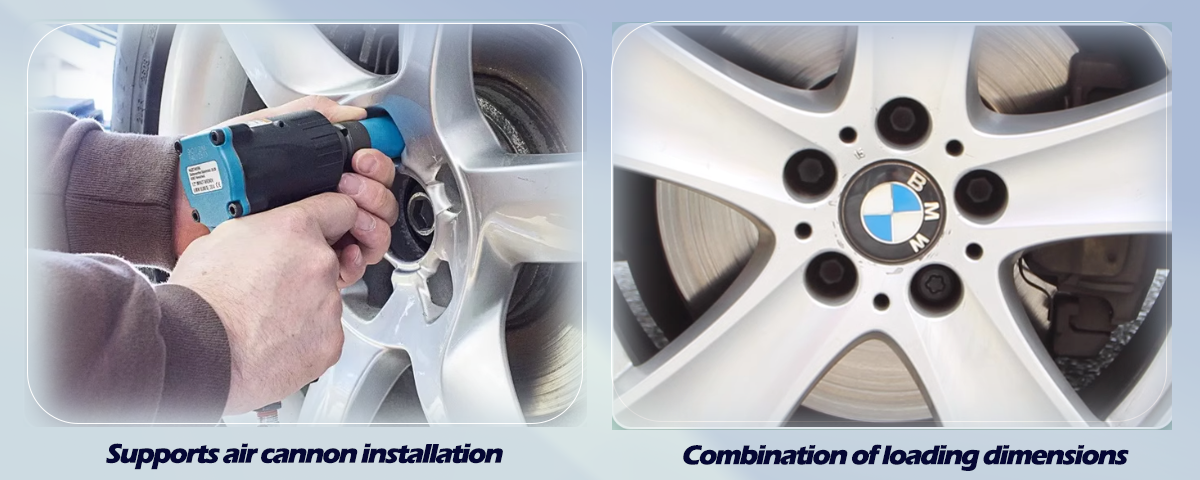
Tightening Torque: It is essential to tighten the bolts and nuts to the manufacturer - specified torque value. Using a torque wrench is highly recommended to achieve accurate and consistent tightening. Over - tightening can cause the bolts to stretch or break, while under - tightening can lead to loose wheels.
Sequence: When tightening multiple bolts and nuts, a specific tightening sequence should be followed. Typically, a star - shaped or criss - cross pattern is used to ensure even pressure distribution across the wheel and hub interface.
Maintenance
Regular Inspection: Periodically check the bolts and nuts for signs of damage, such as cracks, corrosion, or wear. Replace any damaged components immediately.
Re - tightening: After a certain period of driving or after any work on the wheels, it is advisable to re - tighten the bolts and nuts to the correct torque value. This helps account for any potential loosening that may have occurred due to vibrations or dynamic loads.
Lubrication: Some bolts and nuts may benefit from lubrication, especially those made of steel. Applying a suitable anti - seize compound can prevent corrosion and make future removal easier, but care should be taken not to over - lubricate, as this can affect the tightening torque.